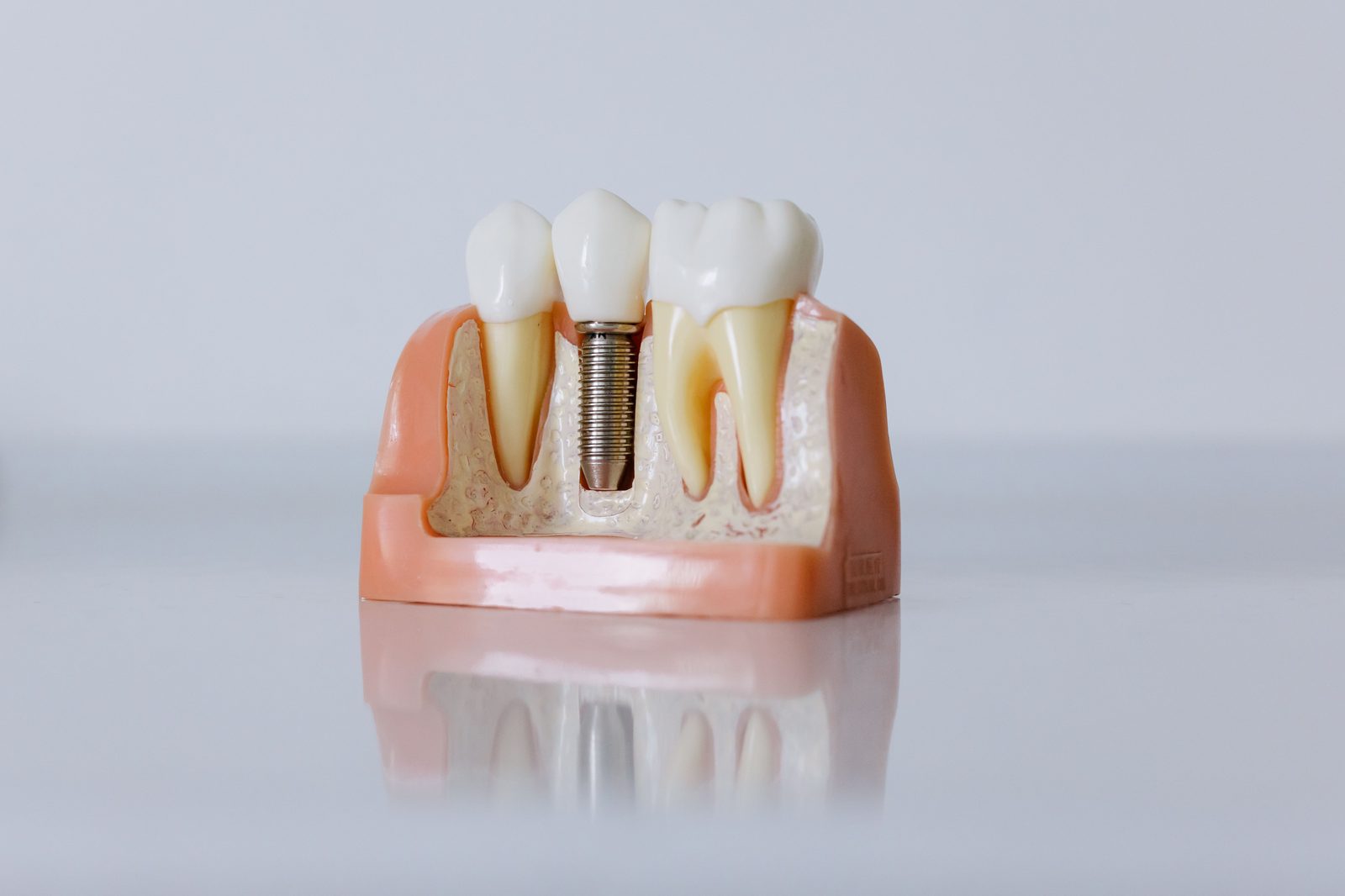
China is not an obvious dental-tourism destination in the same way as Hungary or Turkey. It nevertheless deserves a serious look. The Hong Kong–Shenzhen–Guangzhou region combines excellent international access, major medical centres, modern dentistry and a government-led reduction in implant costs.
The overall assessment is positive: with careful planning, patients may obtain high-quality restorative treatment in southern China at substantially lower prices. Price must never be the only criterion. An implant is not a souvenir; years later, it still needs to be identifiable, repairable and supported by available components.
Why Hong Kong, Shenzhen and Guangzhou?
Hong Kong is a practical gateway from German-speaking Europe. Lufthansa currently operates nonstop services from Frankfurt and Munich, with convenient connections from Switzerland and Austria. Schedules change, but Hong Kong remains one of the best-connected entry points to southern China.
High-speed trains run from Hong Kong West Kowloon directly to Shenzhen and Guangzhou. This makes it possible to combine treatment on the Chinese mainland with time in Hong Kong or a wider trip through the Pearl River Delta. Shenzhen is modern, international and close to Hong Kong. Guangzhou has major university hospitals, specialist dental departments and a long medical tradition.
What China’s price regulation actually covers
China has not introduced one universal all-inclusive cap for every implant. The pricing reform has three components: the clinical service fee, the implant system and the crown. For a routine single-tooth implant, the clinical service component in top-tier public hospitals is generally intended not to exceed RMB 4,500. Implant systems and crowns have also become substantially cheaper through central procurement and competitive listing.
Official reference figures:
Clinical service component for a routine single implant: generally up to about RMB 4,500 in top-tier public hospitals. Centrally procured implant systems: RMB 548–1,855, averaging a little over RMB 900. Crowns: RMB 100–656, averaging just over RMB 300. After the reform, the nationwide average total for a routine single implant was often reported at around RMB 6,000–7,000.
These figures are not a guarantee for every patient or every clinical situation. Tooth extraction, periodontal treatment, root-canal treatment, bone grafting, soft-tissue grafting and sinus lifts may be charged separately. Complex cases cost more.
Avoid drifting into an expensive international clinic
China has public dental hospitals, university clinics, ordinary private practices and expensive international or VIP departments. A foreign patient searching only for an English-speaking “international clinic” may easily end up in the part of the market where the regulated price reductions have little practical effect.
Before booking, ask whether the institution participates in the official implant price-governance programme and central procurement scheme. Guangdong provides official tools for checking participating institutions and prices. Request a written quotation that separately lists the clinical service, implant, abutment, crown and any additional procedures.
Important: The aim is not to demand an advertised bargain, but to obtain transparent pricing under a participating scheme. Foreign self-paying patients should ask for written confirmation of the fee schedule that will actually apply to them.
Do not economise on traceability
A Chinese implant system is not automatically inferior. However, for a patient who expects future care in Germany, Austria, Switzerland or elsewhere in Europe, an internationally distributed system is often more practical. Replacement screws, abutments, instruments and technical documentation are then easier to obtain.
Ask for an established system that is also distributed in Europe, for example by a European, Swiss, German or US manufacturer. The decisive issue is not the country of origin by itself, but long-term component availability.
- manufacturer, product family and exact implant model
- diameter, length, product number and batch number
- implant passport and copies of X-rays or CBCT scans
- materials and manufacturers of the abutment and crown
- complete treatment plan, invoice and aftercare instructions
Combine treatment with a holiday – but in the right order
The region is well suited to combining medical treatment with travel. Hong Kong, Shenzhen and Guangzhou are close together yet offer very different experiences. The treatment schedule must still determine the itinerary, not the other way round.
Implant treatment is often completed in stages. Diagnosis and implant placement are followed by a healing period, and the definitive crown may only be fitted later. Depending on the case, two trips or a longer stay may be necessary. Be cautious of any provider promising to complete every complex case within a few days.
Conclusion
Dental treatment in China can make sense financially and clinically. The accessible Hong Kong–Shenzhen–Guangzhou corridor is particularly interesting. The key is not the cheapest advertisement, but a reputable participating clinic, a written all-inclusive quotation, a traceable implant system that can be maintained internationally and a realistic treatment schedule.
Handled properly, dental care can be combined with an exceptional journey. Chasing the lowest price alone may leave the patient with aftercare problems that erase the original saving.
Dental treatment is only genuinely inexpensive when it is documented, maintainable and supported by reliable aftercare.
Sources and notice
- National Healthcare Security Administration of China: structure and reference figures for implant price governance.
- Guangdong Healthcare Security Administration: implementation and clinic/price search in Guangdong.
- Lufthansa: current nonstop services from Frankfurt and Munich to Hong Kong; schedules may change.
- Hong Kong High Speed Rail: services to Shenzhen and Guangzhou.
This article provides general travel and consumer information. It does not replace a dental examination, diagnosis or individual medical advice.