Notes on China
Hainan – China’s Tropical Island
A personal journey through Haikou, Wuzhishan, Qiongzhong and Sanya – among historic streets, tropical landscapes, tea and the sea.
Hainan often brings to mind palm trees, warm seas and large resorts. Yet China’s tropical island province is far more varied. Historic cities, dense rainforest, quiet towns in the interior and modern coastal destinations are often only a few hours apart.
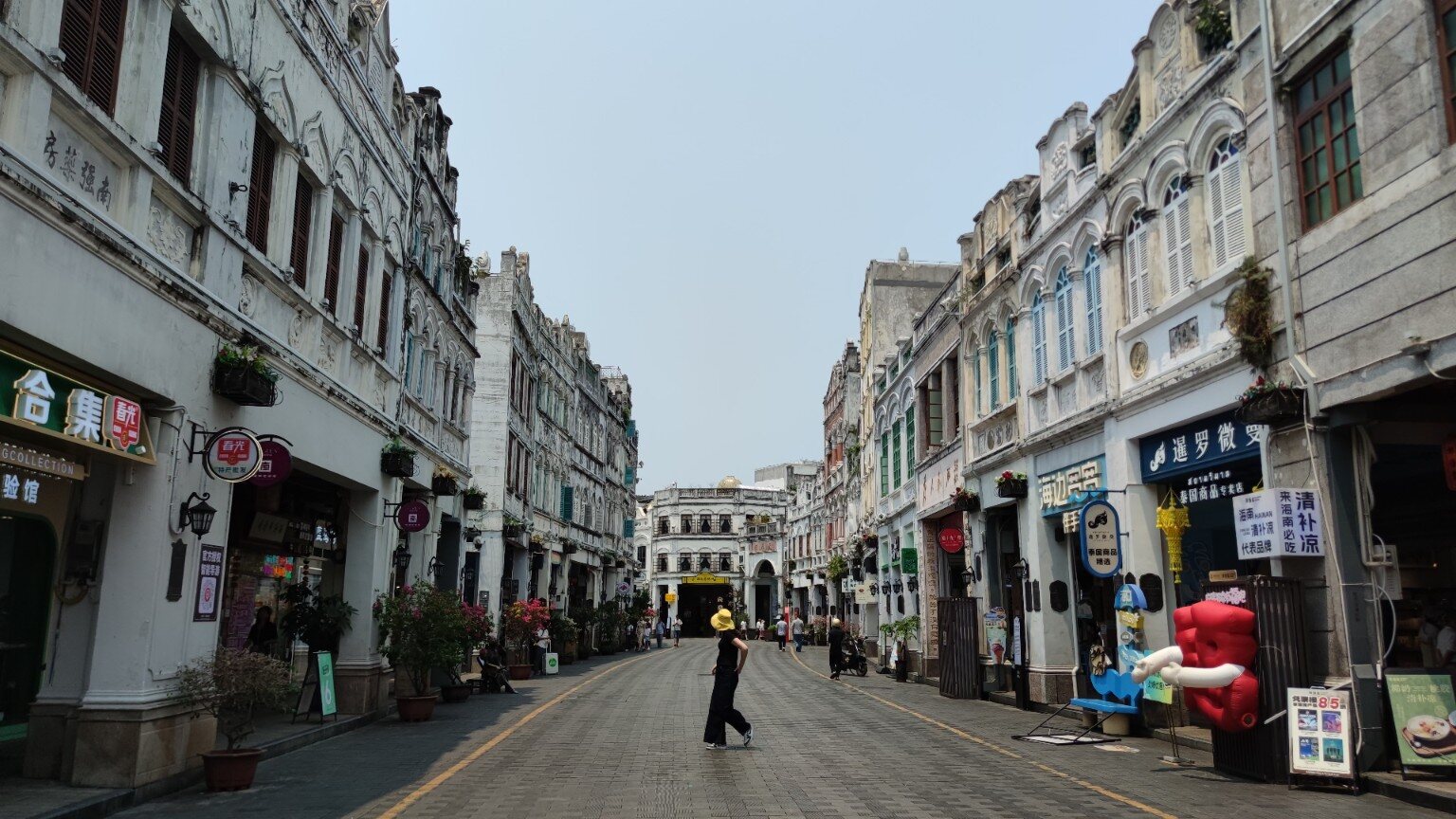
Historic Haikou
Long rows of old shophouses line the streets of Haikou’s historic centre. Their tall windows, decorated façades and covered walkways give parts of the city an atmosphere that feels closer to Southeast Asia than to the image many people have of a major Chinese city.
Today, these buildings contain small shops, restaurants and cafés. The streets are well maintained, but they do not feel like a museum set apart from daily life. The island capital continues to live and work among its historic façades.
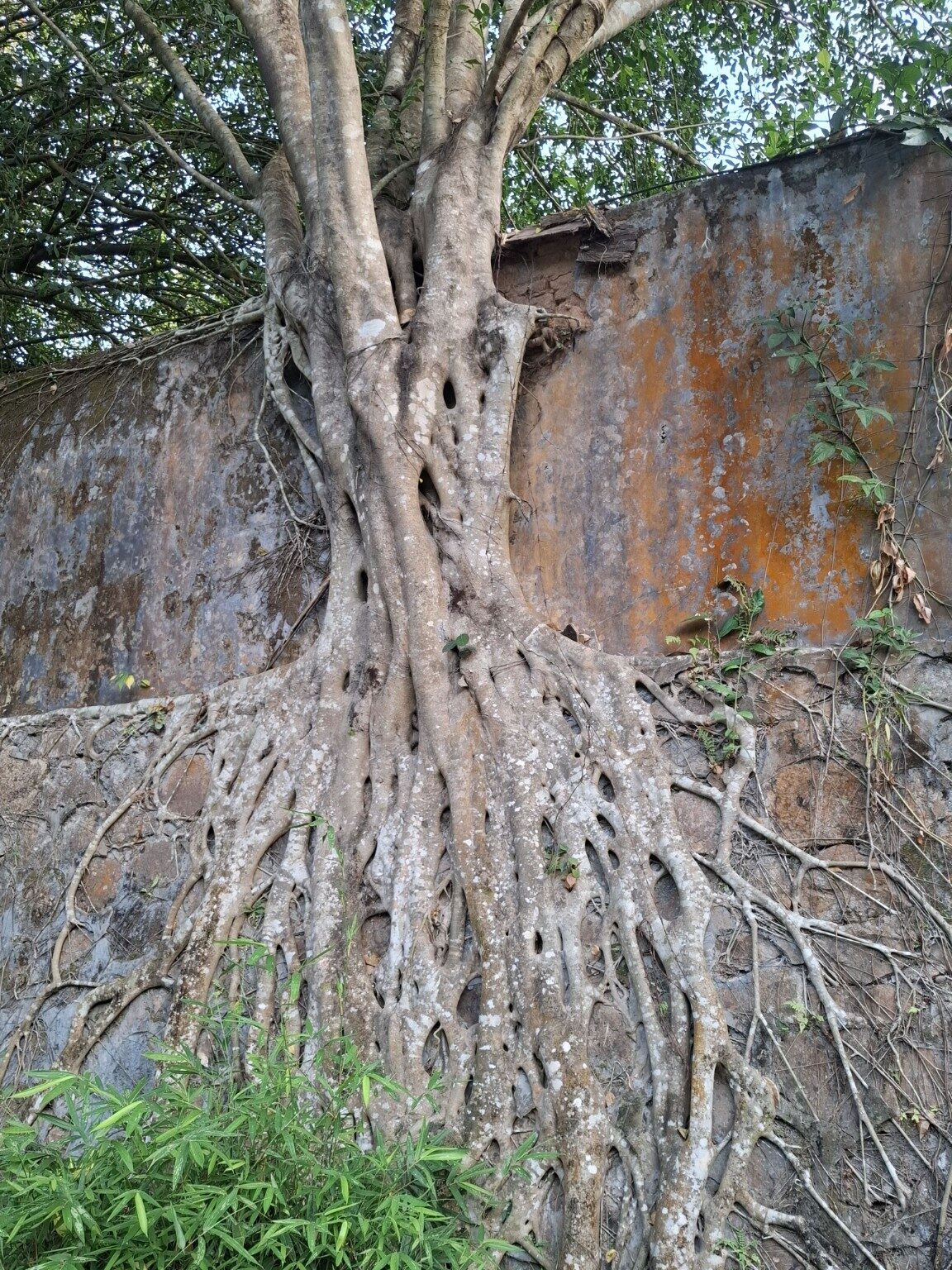
When Nature Reclaims Old Walls
In Hainan’s mountainous interior near Wuzhishan, a huge tree has grown across an old wall. Its roots spread over the stone in a dense web, gradually enveloping the structure.
The scene shows the force of Hainan’s tropical vegetation. Warmth, humidity and abundant rainfall allow plants to grow almost anywhere. Walls and abandoned buildings can quickly disappear beneath roots, moss and dense greenery.
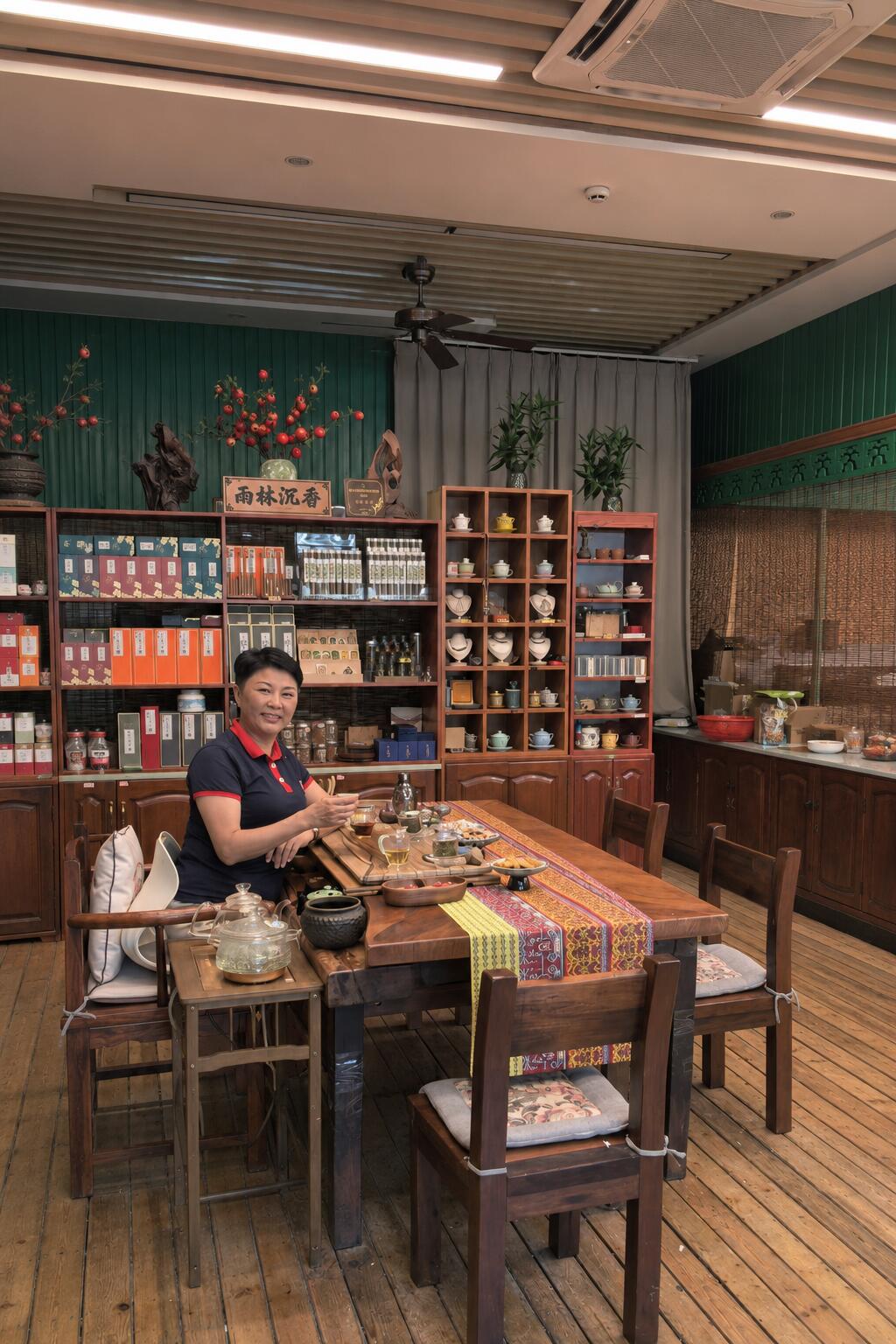
An Invitation to Tea
Hainan is shaped not only by landscapes and beaches, but also by encounters with the people who live there. At a teahouse in Wuzhishan, we were invited to sit down for an extensive tasting.
Several teas, small cups and regional delicacies were arranged on the table. Tea was not simply poured and consumed in passing. Infusion followed infusion, each one tasted slowly and compared for aroma and flavour.
A brief visit soon became a long afternoon together. Unplanned encounters like this often remain more vivid than the famous sights.
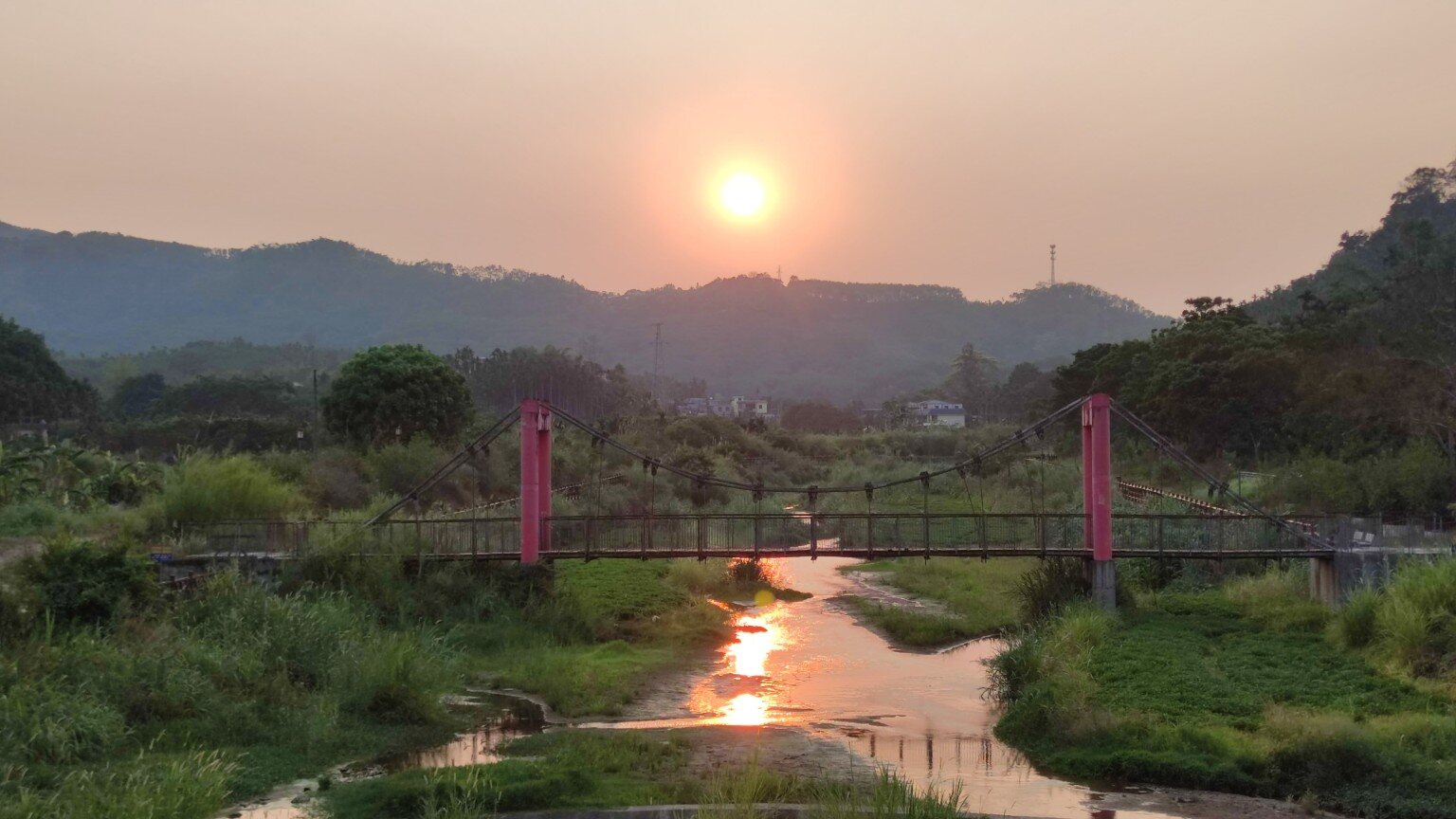
Sunset in Qiongzhong
In Qiongzhong, the sun drops behind the wooded hills of Hainan’s interior. Its light is reflected in the shallow water of a small river crossed by a narrow suspension bridge.
This is the quiet, almost rural side of Hainan. There are no high-rise buildings or large hotel complexes. Instead, the view is shaped by green riverbanks, small houses among the hills and a landscape that becomes especially peaceful in the evening.
Bridges at Different Levels
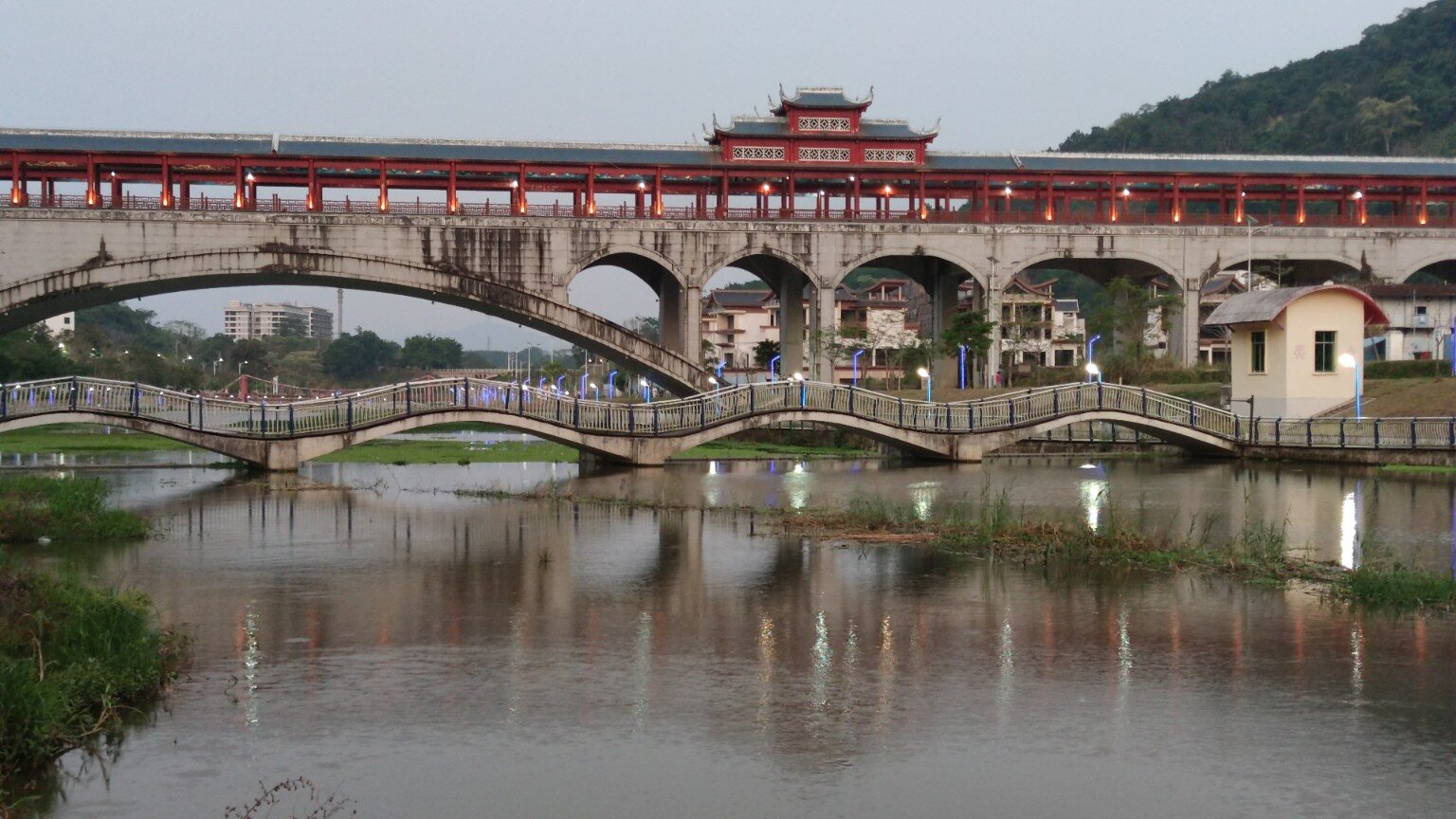
Another view from Qiongzhong shows several bridges crossing the water at different heights. A curved pedestrian bridge runs below, while above it rises a large stone bridge topped by a long red structure in a traditional Chinese style.
Structures like these combine modern engineering with classical forms. Red columns, curved roofs and illuminated paths give even smaller cities a character of their own.
Tropical Life in Haikou
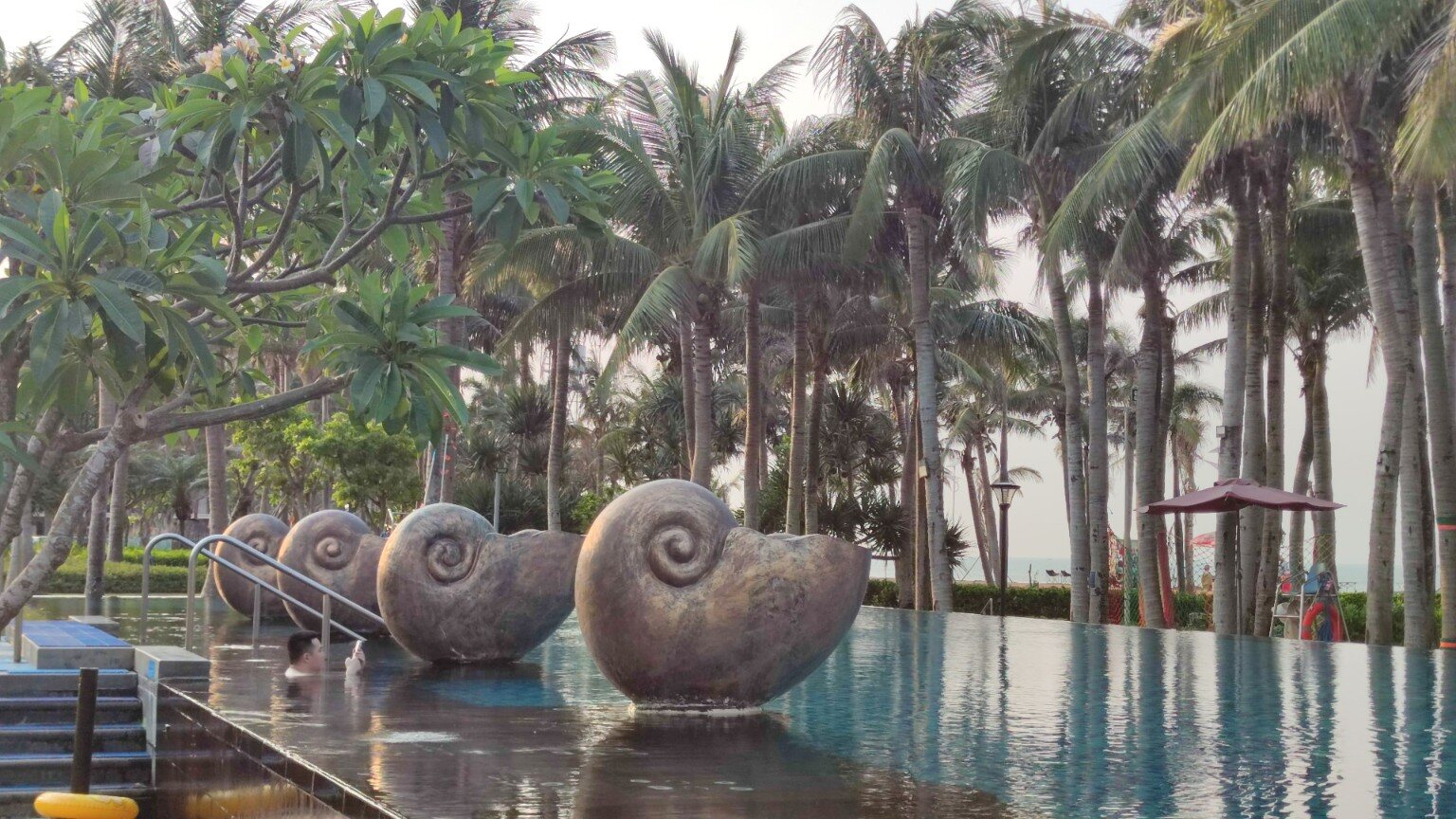
Back in Haikou, the island shows another side of itself. A swimming pool with large snail sculptures lies among tall palm trees, with the sea already visible beyond them.
Haikou is both the provincial capital and a major city, yet it retains a relaxed tropical atmosphere. Palm trees, warm evenings and the proximity of the sea are as much a part of everyday life as modern neighbourhoods and busy streets.
Sanya and the Sea
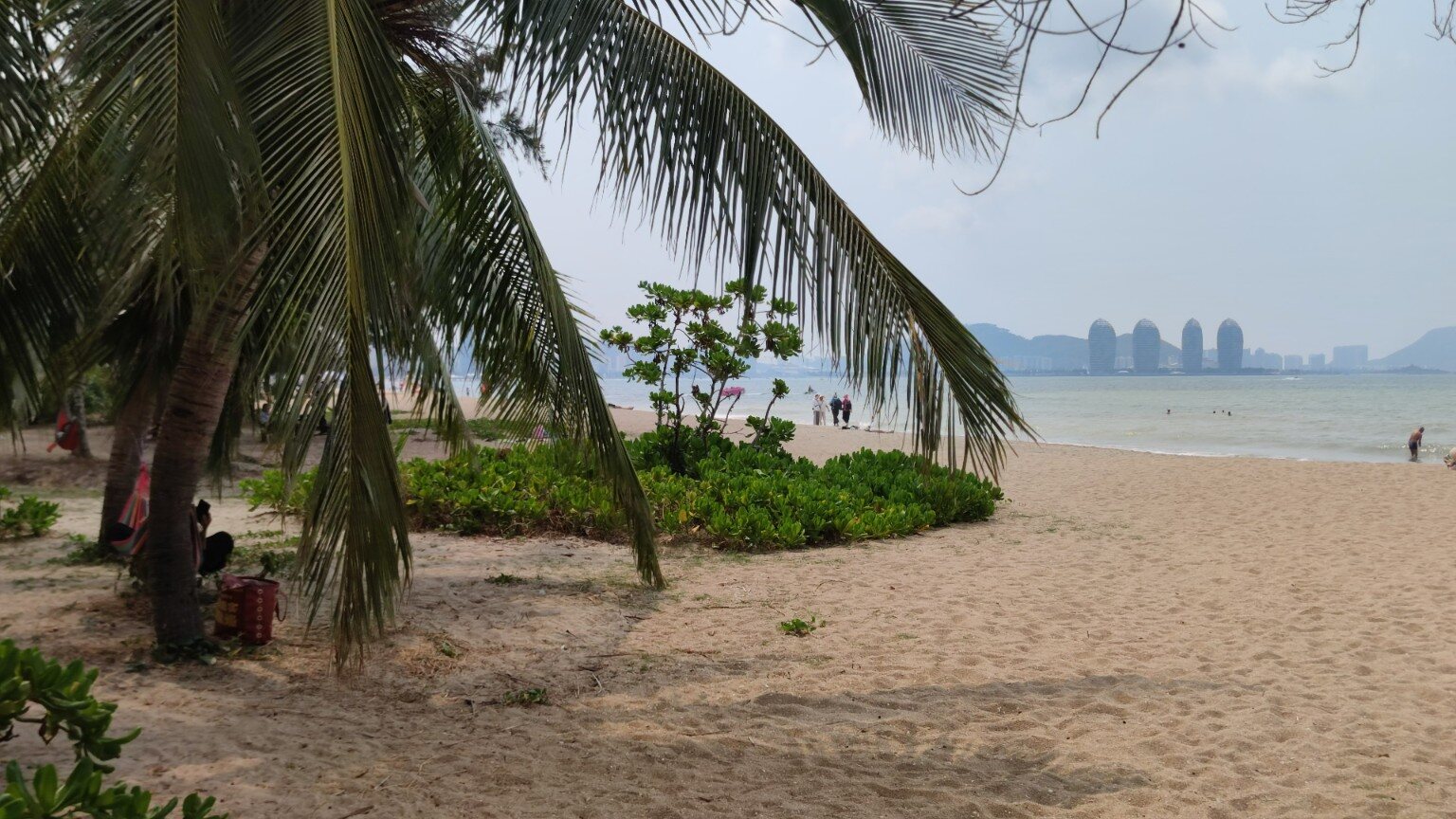
Sanya lies at the southern tip of the island. Wide sandy beaches, coconut palms and warm seas have made it one of China’s best-known seaside destinations. For me, it is home to one of the country’s most beautiful beaches.
From the shade of the palms, the view stretches across the beach and bay towards the city’s modern skyline. The unusually shaped towers on the opposite shore show how closely tropical scenery and contemporary resort life meet in Sanya.
Hainan is therefore much more than a conventional holiday destination. The island brings together historic cities, tropical nature, quiet places in the interior and broad beaches. These contrasts make it one of China’s most varied regions.
Hainan reveals a side of China that many people in Europe barely know: tropical, peaceful, green and full of unexpected contrasts.